
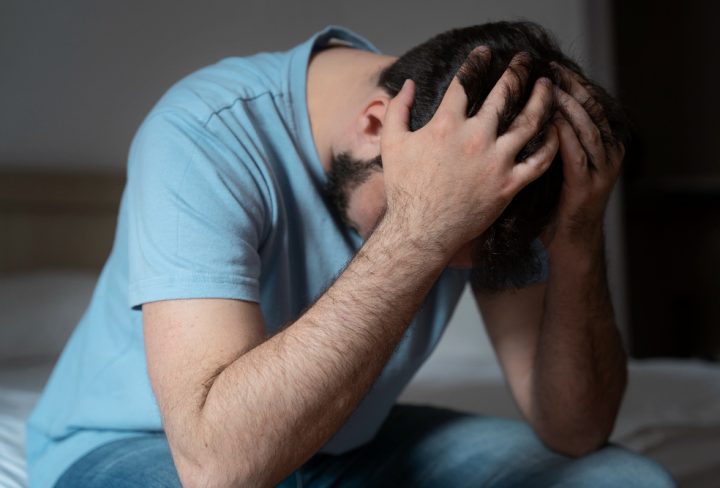
What Are Anxiety Disorders?
Anxiety disorders are common mental health conditions. They cause people to feel worried, nervous, or fearful often. According to the World Health Organization (WHO), millions of people worldwide live with anxiety disorders. While feeling anxious sometimes is normal, these disorders make anxiety last longer and feel stronger. Because of this, daily life can become hard. There are different types, such as generalized anxiety disorder, panic disorder, and social anxiety disorder. Each type has its own signs and triggers. However, all anxiety disorders can affect thoughts, feelings, and actions.
Common Signs and Symptoms
Recognizing anxiety disorder symptoms early can help with managing anxiety. Although everyone feels anxious sometimes, certain signs may point to an anxiety disorder. For example, you might notice:
Sometimes, these symptoms can appear suddenly. Other times, they build up slowly. If you notice these signs often, it may be time to seek help.
Major Triggers of Anxiety Disorders
Many things can trigger anxiety disorders. While triggers are different for everyone, some are more common. For instance, you might feel anxious due to:
Because triggers can be both physical and emotional, it helps to notice what makes your anxiety worse. Over time, you can learn to avoid or manage these triggers.
Effective Coping Strategies
Learning how to cope with anxiety can make daily life easier. Although anxiety disorders can feel overwhelming, many people find relief with simple steps. Here are some effective coping strategies:
In addition, managing anxiety naturally can include spending time outdoors or doing hobbies you enjoy. If you find these steps helpful, keep using them. However, if anxiety continues, more support may be needed.
When to Seek Professional Help
Sometimes, anxiety disorders need more than self-care. If your symptoms last for weeks or get worse, it is important to seek help. For example, you should talk to a doctor or mental health specialist if:
Early help can make a big difference. Many people find that therapy, medication, or both can help manage anxiety disorders. In some areas, you can find anxiety help in your city or region. Always reach out if you need support.
Prevention and Lifestyle Tips
While not all anxiety disorders can be prevented, healthy habits may lower your risk. For instance, you can:
Because small changes add up, try to make one healthy choice each day. Over time, these habits can help you feel calmer and more in control.
If you or someone you know is struggling with anxiety disorders, consult a mental health specialist for personalized support.
